

From LTE Refarming to the World Cup: Highlights of Beeline Uzbekistan's Busiest Network Season in 2026
News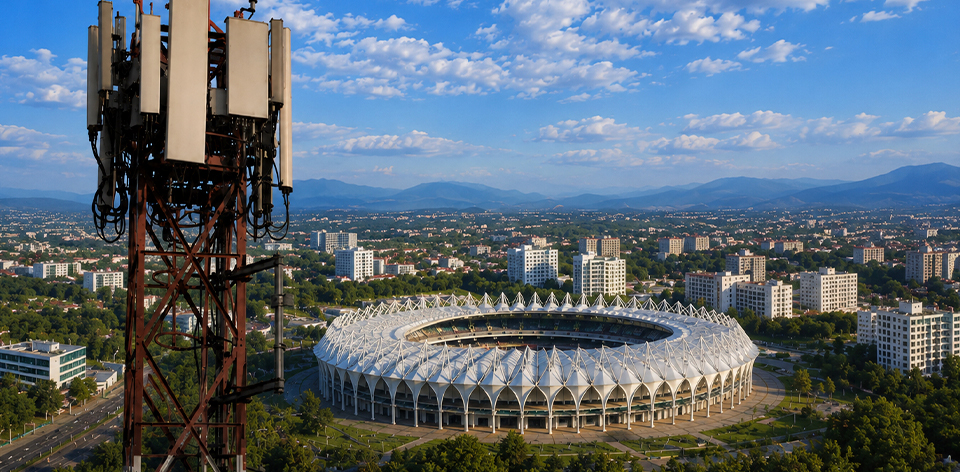
Data traffic on the Beeline Uzbekistan network has grown by more than a third over the past year and a half. LTE 2100 frequency refarming has been completed in Tashkent and Samarkand, while broadcasts of Uzbekistan's national team matches at the 2026 FIFA World Cup demonstrated how well the network handles sharp load spikes at all hours of the day.
From January 2025 to May 2026, data traffic on the Beeline Uzbekistan network grew by more than a third – from 98.1 PB to 136 PB per month. That is the equivalent of roughly 30 million people simultaneously streaming a football match in HD for an hour and a half.
Five regions of the country account for more than half of all traffic – 55.6%: Tashkent, Fergana, Andijan, Kashkadarya, and Kokand. Traffic growth in May 2026 compared to May of the previous year was recorded across all thirteen regions where the company operates. At the same time, network capacity growth is outpacing load growth: the share of overloaded coverage zones fell by 7 percentage points year-on-year, and the load is distributed noticeably more evenly than a year earlier.
As part of its network modernization, Beeline Uzbekistan has completed refarming of LTE 2100 frequency resources in the country's two largest cities. In Tashkent, the technology has been launched on 588 base stations: data traffic in the city grew by 12.2%, and average download speed (DL Throughput) rose by 49.5%. In Samarkand, LTE 2100 has been deployed on 87 base stations: traffic grew by 2.3%, while average download speed increased by 52.6%.
The company's plans for 2026 include continuing LTE 2100 refarming in Kokand, Fergana, Andijan, and Namangan.
“The past year and a half has been one of the most intensive periods of development for our network. We have consistently increased its capacity and expanded its capabilities through LTE 2100 refarming. The World Cup was a clear demonstration of the effectiveness of this work: millions of users simultaneously watched match broadcasts at different times of day, and the network consistently handled peak loads. This once again confirms that infrastructure development is not simply about upgrading equipment – it's about building a reliable foundation for digital services and a comfortable user experience, regardless of where a customer is located or what time of day they use mobile internet,” said Gediz Sezgin, Chief Technology and Innovation Officer at Beeline Uzbekistan.
The days of Uzbekistan's national team matches at the 2026 World Cup – played at various times of day – proved to be a particularly demanding period for the network. During the morning match against Colombia (June 18, 7:00 AM Tashkent time), data traffic rose by 45% relative to the monthly average, as users watched the broadcast on the go, in cafés, and at work, mainly via mobile internet. The evening match against Portugal (June 23, 10:00 PM) produced a more moderate increase of 14%, as a significant portion of the audience watched via Wi-Fi at that hour, distributing the load on the mobile network more evenly.
The match against Congo (June 28, 4:30 AM) proved the most telling for the network. During the broadcast hours – from 4:00 to 6:00 AM – data traffic rose by nearly 78% compared to the June average, from 225 TB to 400.3 TB. This was the highest relative increase among all three matches, as the load occurred during hours when the network traditionally operates at minimal capacity. The network operated normally during all three matches.

During the World Cup, the hambi superapp became a digital hub of support for the national team, uniting users around the idea of “hammamiz birga” (“all together”). The app launched special football-themed activities: a “Guess the Score” game for predicting match results, the arcade game Lime Time Football featuring the mascot Lime, and a “Season of Prizes” giveaway. By completing tasks, users earned chances to win prizes as well as points toward a leaderboard, with guaranteed rewards for top participants. On the day of Uzbekistan's match against Portugal, hambi drew more than 272,000 concurrent viewers.
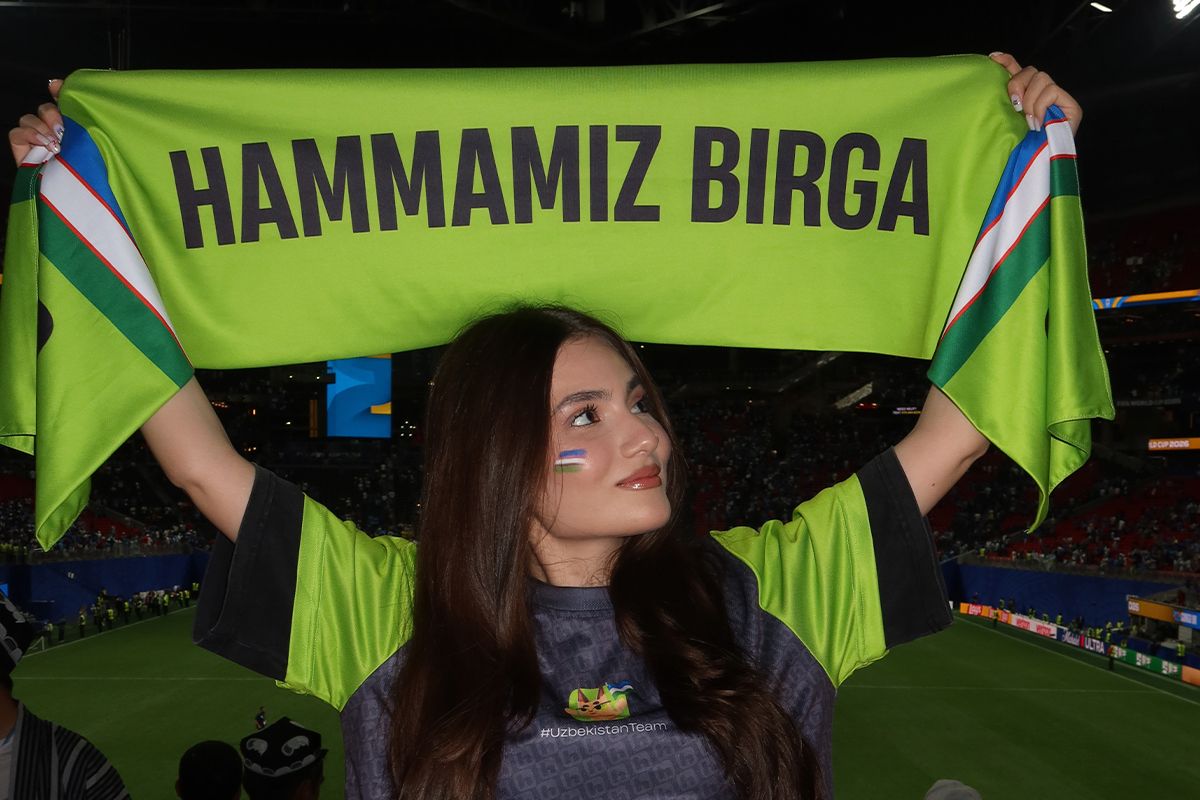
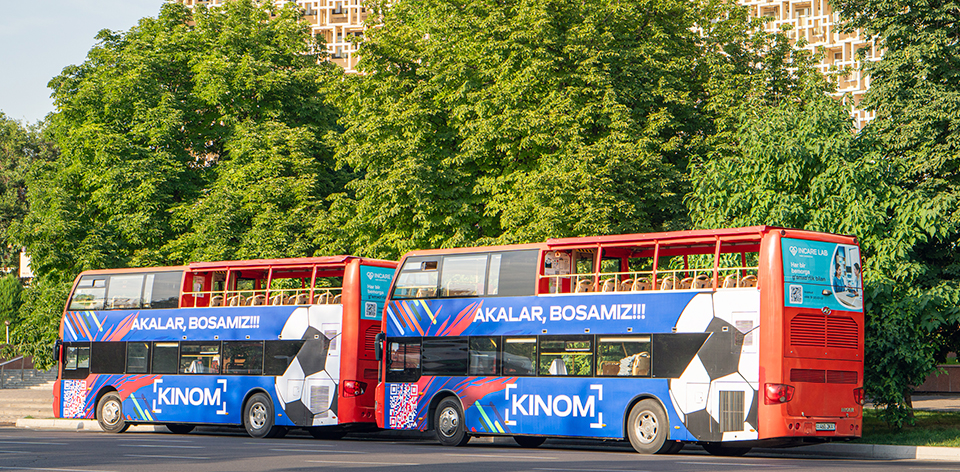
KINOM also became one of the main platforms for watching broadcasts of the national team's matches. Ahead of the World Cup, the platform carried out a major infrastructure upgrade, increasing total bandwidth from 600 to 800 Gbps, which allowed it to reliably serve more than 240,000 concurrent viewers. By the end of June, KINOM's monthly audience reached 1.1 million users, with total viewing time exceeding 1.3 million hours. On the day of the match against Portugal (June 23), the platform drew more than 184,000 users – roughly four times the average daily figure from early June. Broadcasts of the matches via KINOM were also available through the hambi and OQ apps, bringing the combined audience of all three services on that day to more than 570,000 users.
Beeline Uzbekistan continues to develop its network to ensure stable digital services and high-quality connectivity for customers across all regions of the country, at any time of day.